Hugh Taylor Birch State Park
One man's spite, everyone's shade
⏱ 2-4 hours👤 All ages$
Get Tickets
Get Birch State Park Tickets
Skip the line · mobile tickets accepted at the door
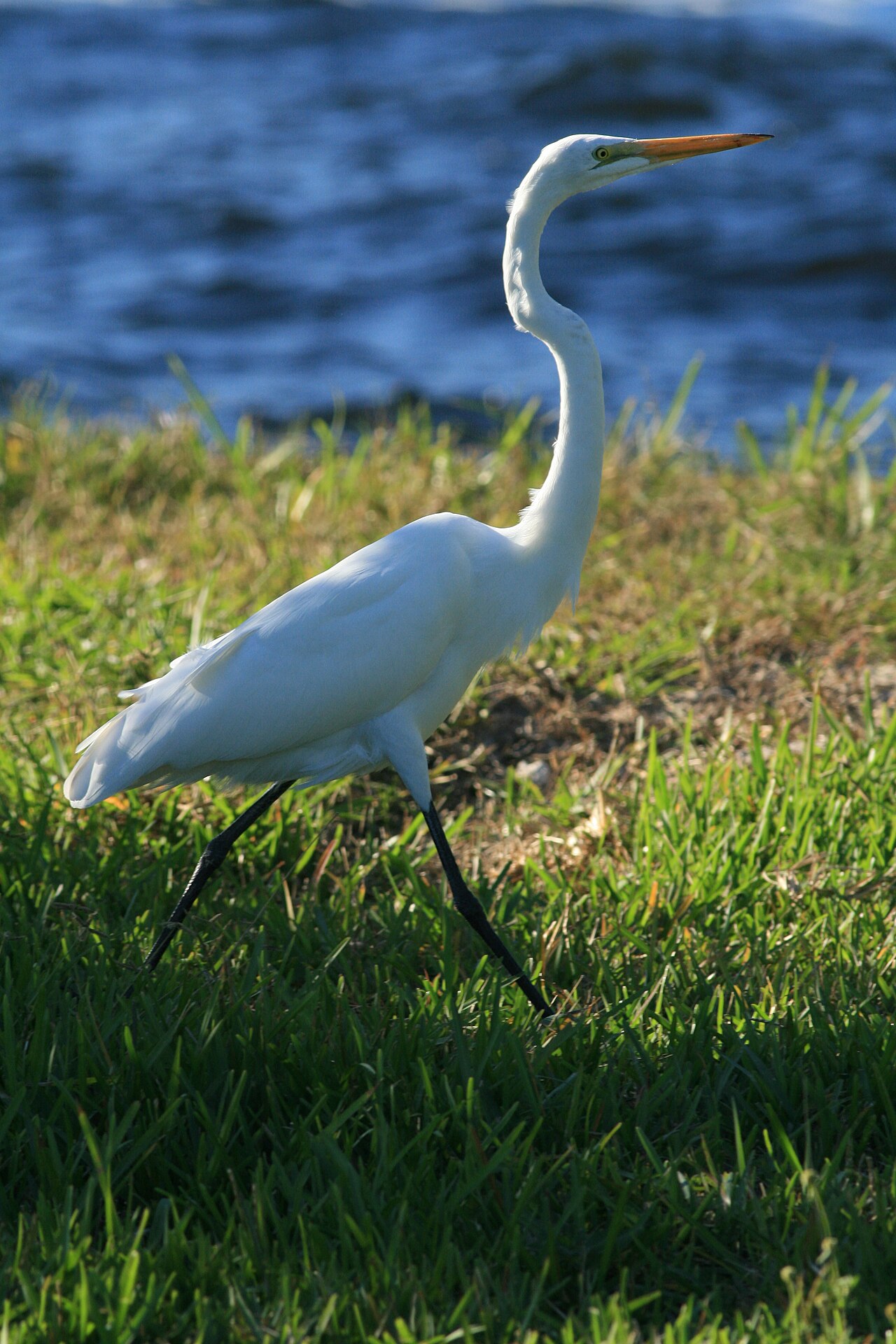
Birch's story is the park's charm: the eccentric Chicago lawyer arrived by sailboat in 1893, bought three-plus miles of oceanfront wilderness for pocket change, and spent five decades defending it — living out his years in the modest Terramar house while Fort Lauderdale's boom chewed northward — before executing the great refusal: the 1941 gift to the state, with conditions, that locked the land green forever. What survives is South Florida's best remaining slice of the barrier island's original architecture: coastal hammock canopy (gumbo limbo peeling red, strangler figs mid-crime, sea grape walls), freshwater lagoon system running the park's length — remnant of the chain that once laced the whole island — and the mangrove edges that keep the bird list long. The under-story wildlife reads old Florida: gopher tortoises with right-of-way, raccoons running their protection racket at the picnic tables, iguanas (the modern invaders) sunning the seawalls.
The visit menu runs easy: the paved park drive doubles as the loop trail (two miles of shaded circuit — the beach district's only real running and skating mile), rental bikes, kayaks, and paddleboards work the entrance concession, the lagoon paddle is the sleeper hour (glass water under canopy, herons at eye level, manatees nosing the culverts in winter), and the short nature trails dig into the hammock proper. Terramar's visitor center and the park's event lawn host the ranger programs; picnic pavilions and grills make it the local birthday-party economy. And the tunnel — the pedestrian underpass beneath A1A — remains the park's best trick: park once, loop the hammock, then surface directly onto the beach's quiet northern strand, solving beach parking and shade in one ticket.
Fit and craft: this is the market's breather entry — the half-day that costs a parking fee and resets the trip's pace — and it pairs with the Bonnet House next door (Birch deeded that parcel to his daughter; the estates share a property line and a visiting afternoon) for the beach district's heritage double. Mornings bring the wildlife and the shade's full value; summer's storm hours empty the loop for the brave; winter weekends fill pavilions by ten. The per-vehicle entry is the state system's standard few dollars — the cheapest green ticket on this coast, endowed by a man who liked trees more than money and made it stick.
What to Expect
Format
The beach district's 180-acre green lung — shaded loop trail, freshwater-lagoon paddling, gopher tortoises, Birch's Terramar house, and the pedestrian tunnel under A1A to the quiet north beach. Standard per-vehicle state entry.
Best Time
Mornings for shade value and wildlife; winter paddles for the manatee chances. Weekend pavilions fill by mid-morning.
Duration
Two hours loops it; four with the paddle and the beach tunnel.
Tips
Park once, do both sides — hammock loop first, then the tunnel to the sand. Rent the kayak for the lagoon's glass hour. Give tortoises the trail. Raccoons run the picnic tables like a cartel; guard the cooler.
⚡ Quick Picks
Best For
The reset day — shade, paddle, beach, one parking fee.
Families
Bikes, tortoises, a lagoon to paddle, and a tunnel to the beach — the easy day that organizes itself.
Couples
The lagoon kayak under canopy, then the quiet north strand — the beach district's hidden soft morning.
Pair With
The Bonnet House next door for the heritage double — the estates share a fence line and an afternoon.
Time Needed
A half day.
Ready to book Birch State Park?
Get Tickets →Frequently Asked Questions
Why does this park exist among the towers?
Hugh Taylor Birch bought the wilderness in 1893 and deeded it to Florida in 1941 so developers could never have it — the beach district's green mile is one man's long spite made permanent.
What's the tunnel?
A pedestrian underpass beneath A1A from inside the park straight onto the quiet north beach — park once, get hammock shade and ocean sand on the same ticket.
Is the lagoon paddle worth it?
The sleeper hour of the beach district — glass fresh water under canopy, herons close, winter manatee cameos at the culverts. Rentals at the concession; mornings run calmest.
What wildlife should we expect?
Gopher tortoises with legal right-of-way, wading birds on the lagoon, piratical raccoons at the pavilions, and the iguana invasion sunning the seawalls — old and new Florida sharing the park.
What does it cost?
Standard state-park per-vehicle entry — a few dollars for the coast's cheapest green ticket, concession rentals extra.
More Fort Lauderdale Attractions
Browse all →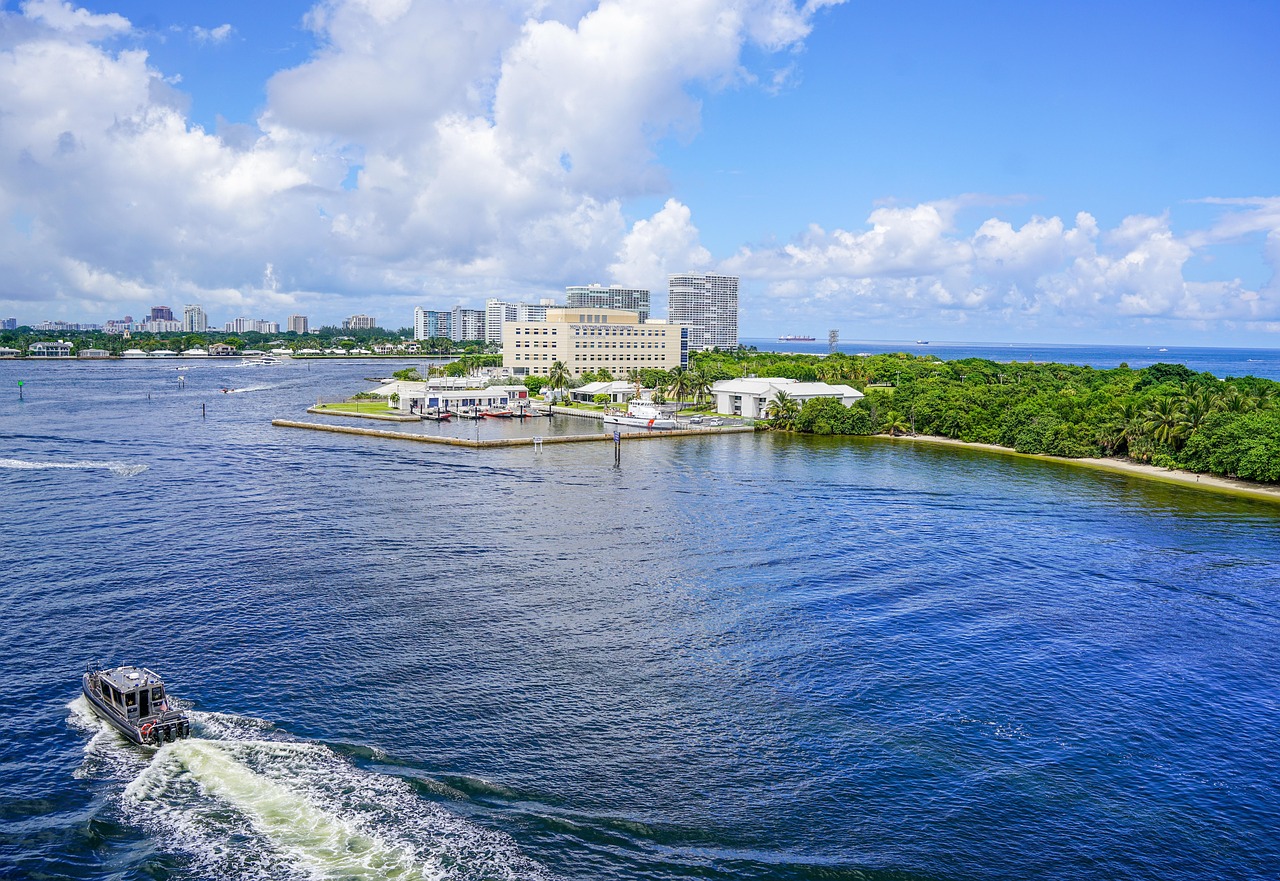
Fort Lauderdale Beach
Seven miles of the state's most civilized sand — the wave-wall promenade, clear Atlantic water, volleyball and snorkel coves north, café rows across the boulevard, and a beach culture that grew up without losing the tan. Free, all of it.
Bonnet House Museum & Gardens
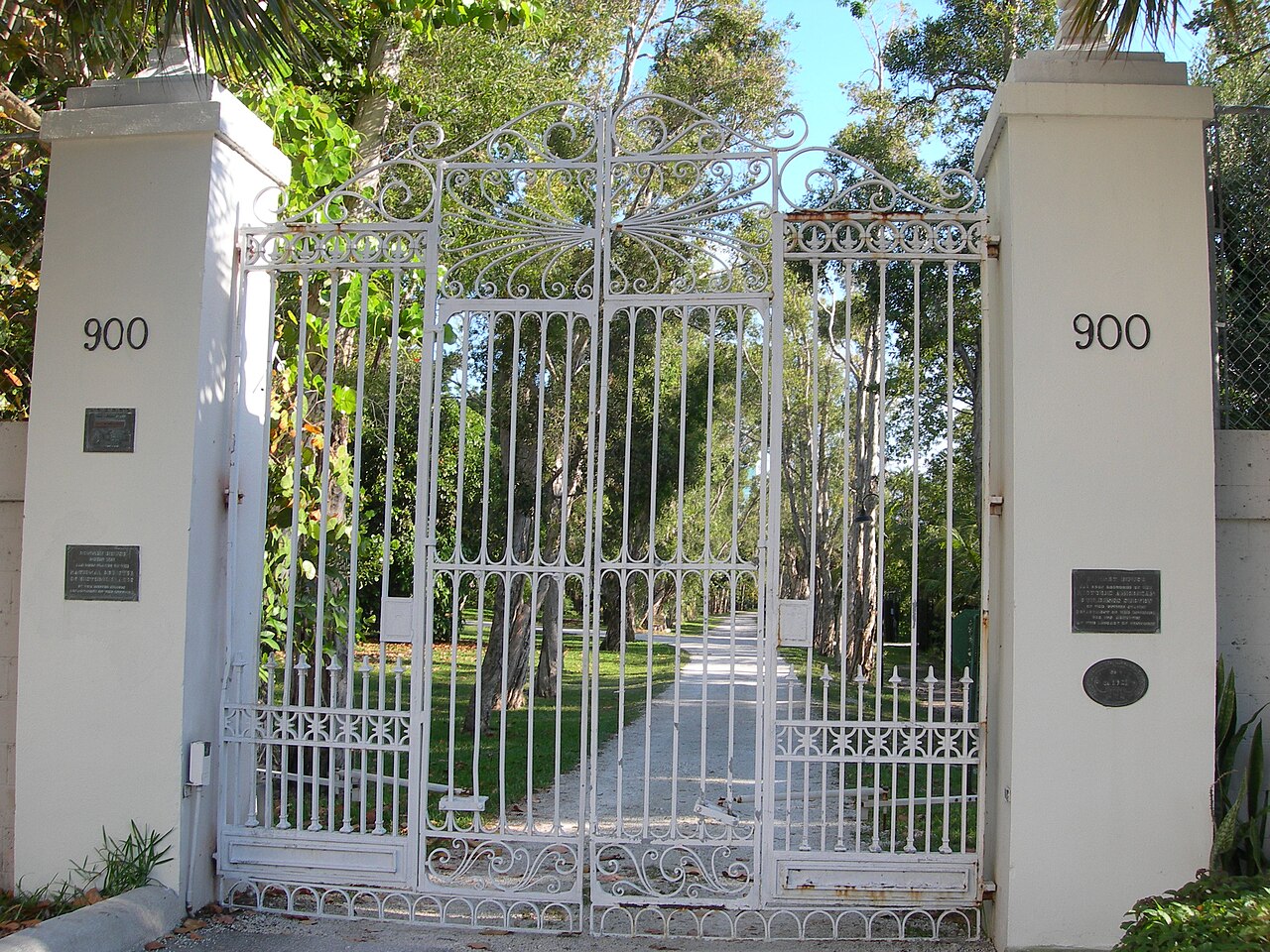
The artists' island fantasy — a 1920s plantation-style estate on 35 beachfront acres where painter Frederic Bartlett and his wife Evelyn built a whimsical world of studio murals, courtyard menageries, orchids, and resident monkeys. Tours reveal it room by eccentric room.
Flamingo Gardens
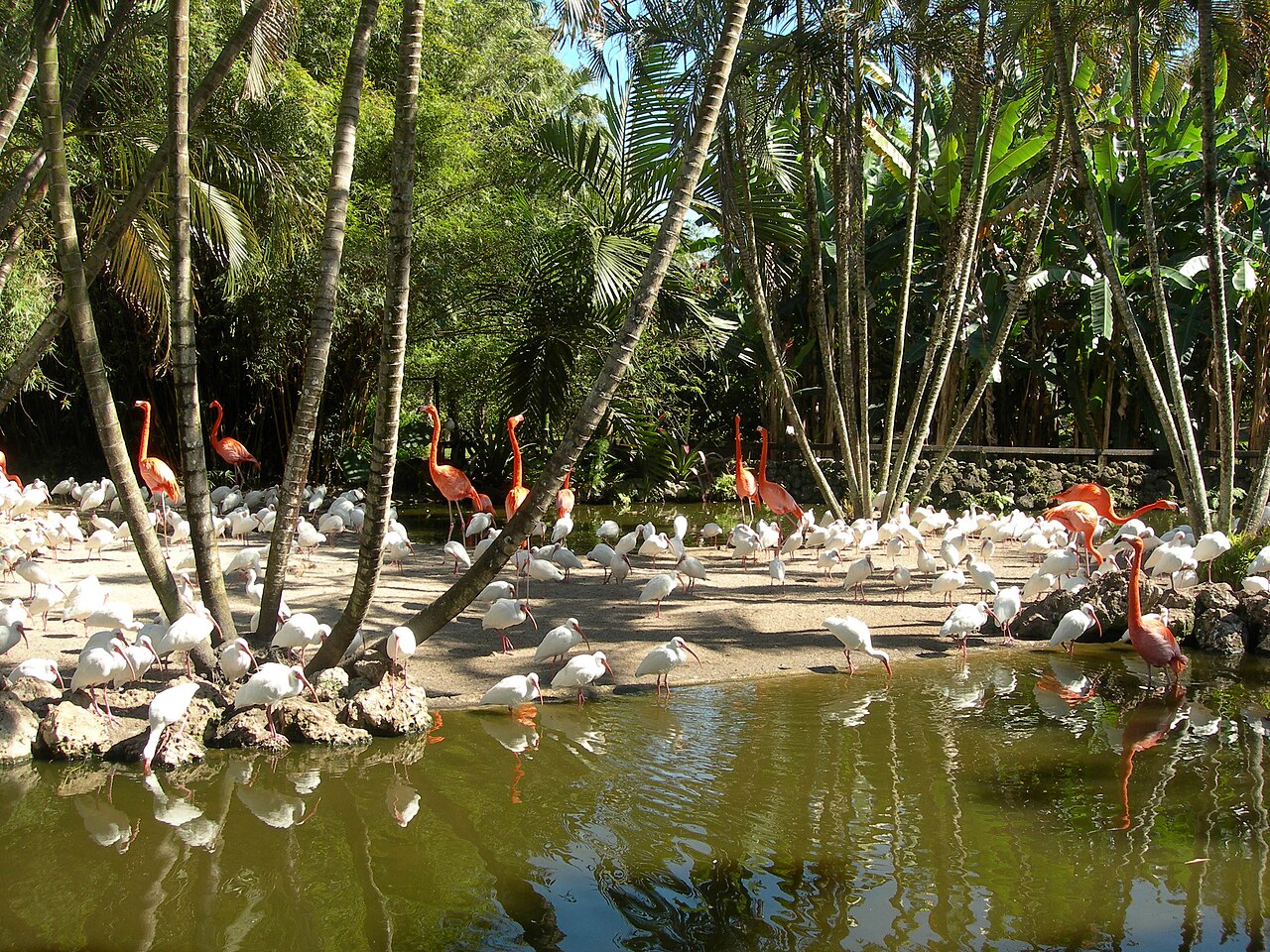
Sixty acres of old Florida west of town — a 1927 botanical estate grown into a wildlife sanctuary of non-releasable natives: flamingos underfoot, panthers, bobcats, bears, and a walk-through aviary under some of the state's champion trees.